Vape Culture: Examining the Emergence of Vaping in Contemporary Society
Vape culture has emerged as a prominent phenomenon among young adults, driven by a desire for healthier alternatives and diverse flavor options. Social platforms magnify this phenomenon, presenting vaping as a socially acceptable choice. Nevertheless, the health-related consequences continue to be disputed, sparking ongoing debates about its potential risks. As vape shops evolve into community hubs, the nature of this culture keeps evolving. What lies ahead for this growing movement?
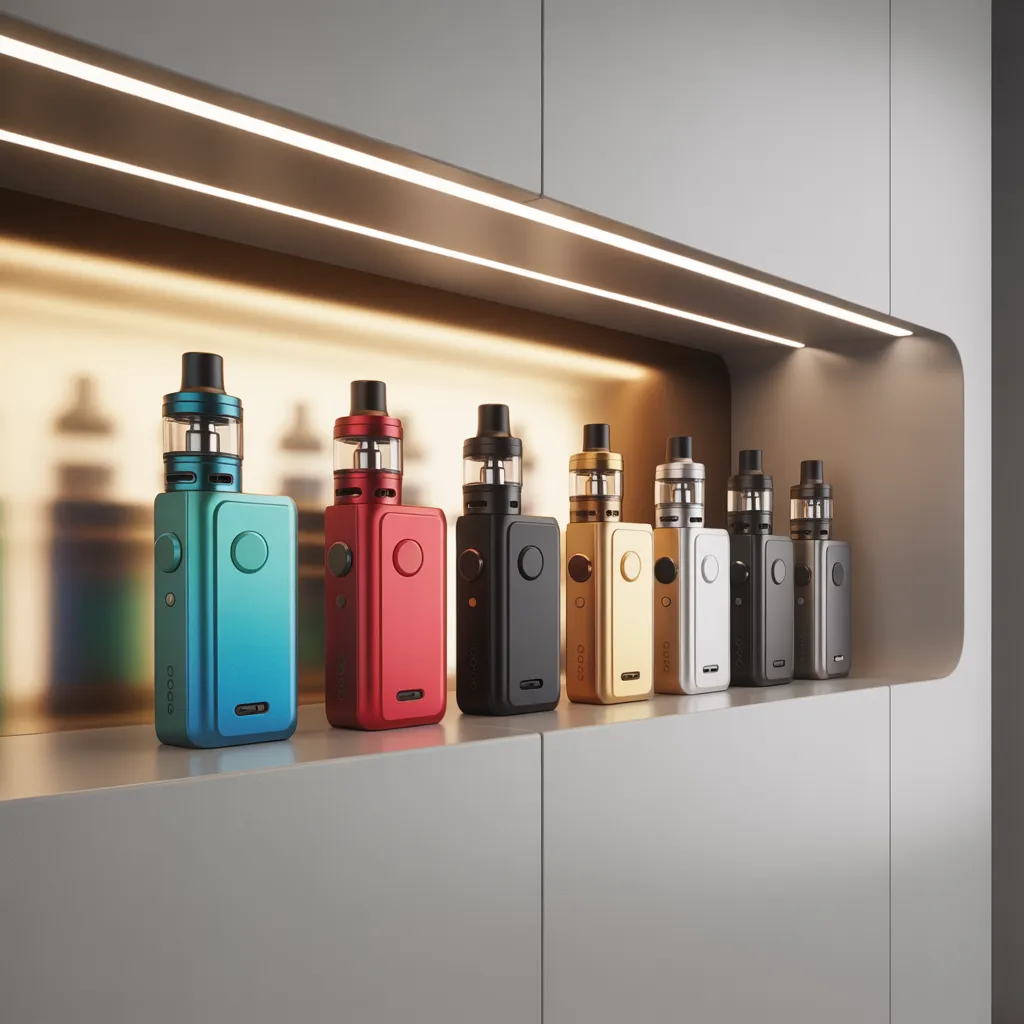
What Is Driving People to Switch to Vaping?
As awareness of the health risks associated with traditional smoking grows, numerous people are choosing vaping as what they consider a healthier option. This transition is fueled by several contributing elements, including the appeal of flavors and customizable options that vaping devices provide. A great number of users enjoy the diverse flavor selections, extending from fruit-based to dessert-inspired varieties, enhancing the experience beyond what conventional tobacco provides. Additionally, vaping is often viewed as a more socially acceptable practice, particularly among younger demographics. The advanced technology incorporated into vaping devices further provides a measure of control over nicotine use, drawing in those who wish to decrease their consumption over time. Moreover, the perception that vaping is less intrusive and has fewer lingering odors than smoking contributes to its rising popularity. Consequently, a wide variety of people, ranging from ex-smokers to those newly introduced to nicotine, are progressively transitioning to vaping.
Can Vaping Be Considered Safe? The Health Controversy?
How safe is vaping compared to traditional smoking? This inquiry has ignited substantial controversy among healthcare specialists and the general population. Although vaping is frequently promoted as a healthier option compared to smoking, the truth is far more nuanced. Electronic cigarettes generally have fewer harmful compounds than conventional cigarettes, which may potentially lower certain health hazards. However, vaping still introduces harmful chemicals into the body, including nicotine, which can lead to addiction and potential cardiovascular issues.
Recent studies have highlighted concerns about the long-term effects of the inhalation of vaporized materials, particularly since numerous components found in e-liquids have not been thoroughly studied. Additionally, documented cases of lung injuries tied to vaping have surfaced, adding to the uncertainty surrounding its safety. When all is considered, while vaping may be less harmful than conventional smoking, it is not without its dangers, warranting careful consideration from users and policymakers alike.
Who Is Embracing the Vaping Trend?
Who is drawn to the vaping trend? A diverse range of individuals finds appeal in vaping, across different age groups and lifestyles. People in their youth, notably those ranging from their late teens to early twenties, frequently look for substitutes to conventional cigarettes, considering vaping a contemporary lifestyle decision. Many are motivated by the perception that vaping is less harmful while providing a personalized experience with diverse flavors and nicotine strengths.
In addition, ex-smokers transitioning to vaping make up a notable demographic. They often view it as a way to lower nicotine intake while continuing to enjoy the inhalation experience. Curiosity further motivates certain people, as the social elements of vaping entice those who wish to connect with like-minded individuals or try new things. The ease of access to vaping, paired with its perceived freshness, keeps attracting a wide range of individuals to the vaping community.
The Way Social Media Influences Vape Culture
What role does social media play in shaping vape culture? Social media channels have emerged as key drivers in popularizing and normalizing vaping across diverse audiences. Through visually engaging content, influencers showcase vaping as a lifestyle choice, often emphasizing its aesthetic appeal and social aspects. Vaping-related hashtags and online challenges foster a sense of belonging, motivating users to exchange their experiences and personal preferences. Additionally, platforms like Instagram and TikTok allow users to produce and disseminate tutorials, vape tricks, and product reviews, enhancing the visibility of vaping products and brands.
This ongoing engagement creates an environment where vaping is not just a habit but a means of individual expression. The pervasive influence of social media accelerates tendencies, leading to rapid shifts in consumer preferences. As a result, social media serves as a double-edged sword, both promoting awareness of vaping and possibly romanticizing the practice, particularly among younger demographics.
The Ways Vaping Shapes Lifestyle Choices
Vaping has emerged as a major influence on modern lifestyle decisions, affecting everything from everyday social encounters to individual identity. For many, vaping serves as a social lubricant, facilitating connections in both casual and formal settings. The practice of vaping frequently generates a collective experience for participants, strengthening community ties and setting standards for social events.
Moreover, vaping has reshaped personal identity for some people, setting them apart from traditional smokers or non-smokers. The range of flavors, devices, and brands enables people to express their preferences and tastes, fostering a sense of uniqueness.
In addition, wellness perspectives related to vaping have triggered behavioral changes; certain users view it as a safer replacement for traditional smoking, while others embed it within fitness and wellness narratives. At its core, vaping shapes choices related to social interactions, personal expression, and well-being, highlighting its significant effect on contemporary ways of living.
Vape Shops: Community Hubs for Enthusiasts
In the evolving landscape of vaping culture, vape shops have emerged as important social centers for enthusiasts. Such venues function as communal spaces where customers can come together around their common enthusiasm for vaping. Rather than just offering products for sale, vape shops often host events, such as tasting sessions and hands-on workshops, nurturing a welcoming atmosphere among patrons.
The experienced staff consistently share useful knowledge into the newest devices and e-liquid options, enhancing the overall vaping experience. This personalized service helps build trust and loyalty within the community. Moreover, vape shops commonly cultivate friendly environments, encouraging social interactions among customers, which often results in strong friendships and supportive networks.
As the vaping trend continues to grow, these shops serve a vital role in shaping a culture centered around exploration and education. By emphasizing community participation, vape shops not only contribute to individual experiences but also aid in building a dynamic, interconnected vaping culture.
The Future of Vape Culture
In what ways will vape culture transform as technology and social perspectives change? With the progression of vaping technology, developments like smart devices and personalized options are expected to appeal to a broader demographic. Enhanced user interfaces and app integrations may facilitate personalized experiences, allowing consumers to track usage and flavor preferences. Moreover, the rising priority placed on health and wellness could transform attitudes, fostering broader acceptance of vaping as a less detrimental option compared to traditional smoking.
Policy modifications will also be significant as regulatory bodies enforce stronger guidelines, manufacturers may focus on transparency and quality, review encouraging a more ethical marketplace. Public perceptions could keep evolving, with vaping gaining wider acceptance in popular culture, similar to craft beer or specialty coffee. At its core, the path forward for vape culture will be marked by a fusion of innovative technology, policy supervision, and changing community attitudes, establishing a singular standing in current cultural discourse.
Frequently Asked Questions
What Are the Most Popular Flavors Among Vapers Today?
Fruit flavors, particularly watermelon, mango, and berry, dominate the vaping market today. Dessert flavors, including vanilla custard and rich chocolate, are also widely popular, appealing to those seeking sweet and indulgent experiences in their vaping choices.
How Much Does Vaping Typically Cost Monthly?
Typical monthly vaping expenses generally fall from $30 to $100, varying with device type, usage habits, and e-liquid preferences. Regular users may find expenses vary considerably based on individual habits and usage levels.
Are There Age Restrictions for Purchasing Vape Products?
There are indeed age restrictions for buying vape products. In many regions, individuals must be at least 18 or 21 years of age, based on local regulations, to legally purchase vaping devices and related products.
Can Vaping Help People Quit Smoking Entirely?
Vaping may assist some individuals in quitting smoking entirely by offering a safer substitute. Nevertheless, its results differ from person to person, and continued use of vaping can sustain nicotine reliance in certain individuals.
What Are the Most Common Misconceptions About Vaping?
Frequent misconceptions surrounding vaping encompass the beliefs that it is completely safe, that it lacks any harmful ingredients, and that it serves only as a stepping stone to smoking. These misunderstandings may shape attitudes and actions related to vaping.